
 English
 Français
 Deutsch
 Italiano
 Turkish
 Greek
 Serbian
Albania ranks among GovTech leaders, but timely public services remain a challenge





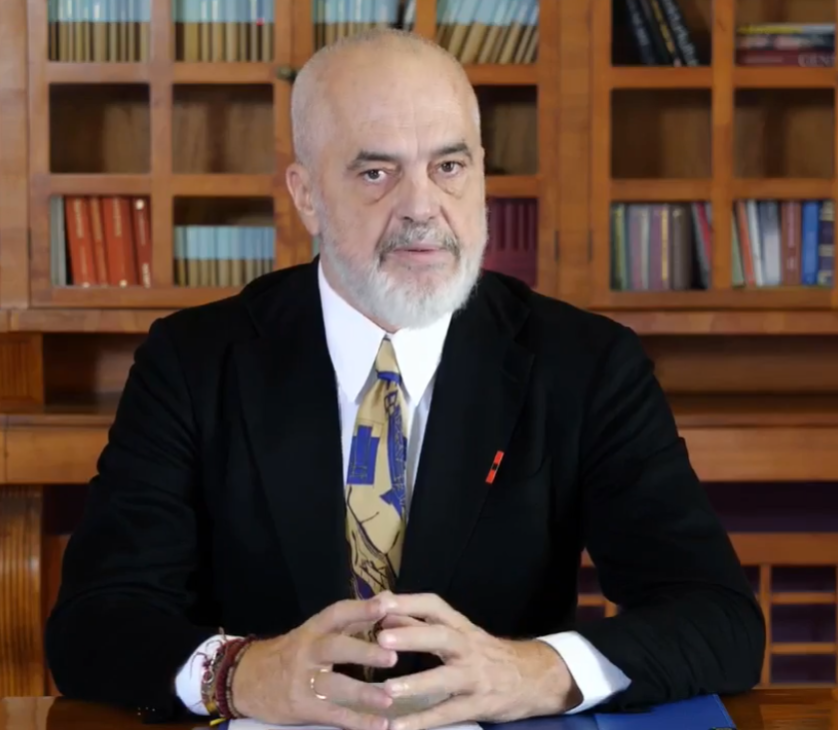
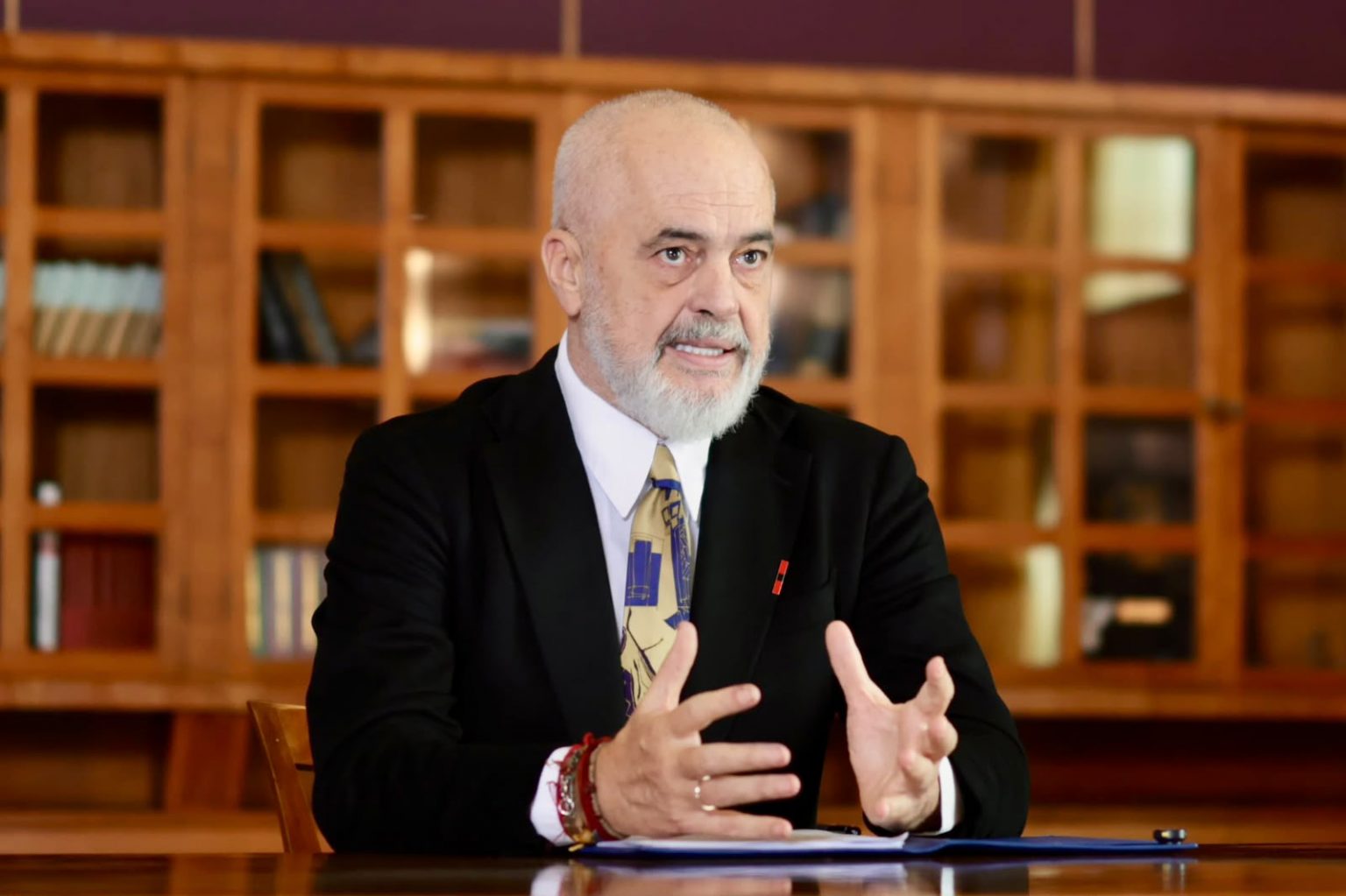
Albania ranks among the most advanced countries in digital government, according to the World Bank’s GovTech assessment. However, Prime Minister Edi Rama says the country must now ensure that public institutions respond to citizens on time and take responsibility for their requests.
Speaking alongside Minister of State for Public Administration and Anti-Corruption Adea Pirdeni, Rama presented a new reform plan to strengthen meritocracy and improve public services.
He highlighted the progress Albania has made in digitalising government services. In the past, citizens had to wait in long queues, deal with paperwork and collect stamps, even to obtain basic documents such as birth certificates. Today, digital platforms have transformed many of these procedures.
However, Rama stressed that digital services alone cannot guarantee efficient public administration. Institutions must also respond quickly, handle requests properly and take responsibility for delays.
To address these challenges, the government plans to introduce a new “Merit Scale”. This mechanism will assess public employees and link career advancement to their skills, commitment and performance.
Furthermore, Rama highlighted the experience of Albanian civil servants during EU accession negotiations. He praised their professional knowledge, preparation and discipline when working with European Commission experts.
He also stressed that Albania has considerable professional talent within its public administration. However, institutions need to recognise and reward this potential more effectively.
Meanwhile, internal surveys among civil servants have revealed concerns about career opportunities. Some employees have worked for years, received positive performance assessments and demonstrated commitment, yet still lack a clear path to professional advancement.
Rama said the new system aims to address this problem by making career development more transparent and linking promotion to measurable results.
Ultimately, the government wants to build a more efficient and accountable administration, where digital progress goes hand in hand with better institutional performance and faster services for citizens.
/a.c/
Të ngjashme

Latest News



Albania takes its tourism ambitions to World Travel Market London 2026


Most read










 RTI