
 English
 Français
 Deutsch
 Italiano
 Turkish
 Greek
 Serbian
“Adventurous Kate”: Albania, Europe’s Emerging Mediterranean Gem




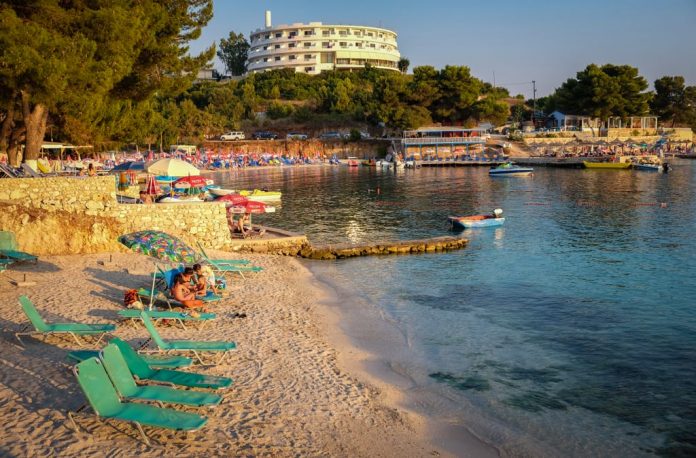
Albania is rapidly transforming into a destination that captures the attention of travelers from around the world, according to a recent article published on the American travel blog Adventurous Kate.
Once considered a remote corner of Europe’s tourist map, Albania is now experiencing a sharp rise in international interest.
With its rare mix of crystal-clear beaches, Ottoman-era cities, dramatic mountains, and authentic Balkan culture, the country is becoming a serious alternative for travelers seeking something beyond traditional destinations like Greece or Italy.
From the ancient ruins of Butrint to the urban energy of Tirana, the turquoise waters of Ksamil, and the distinctive architecture of Berat, Albania offers a diverse experience that blends history, nature, and hospitality.
A Country of Challenges and Great Potential
Albania remains one of Europe’s lesser-known countries, especially when it comes to infrastructure. Yet, many visitors see this unpolished side as part of the adventure.
Tourism is growing, but the country has not yet reached the overcrowded levels of other Mediterranean destinations. For travelers seeking authenticity and less commercialized experiences, Albania presents a rare opportunity.
Prices also remain highly competitive. In Tirana, a beer costs about €2.50, a meal at a mid-range restaurant starts around €10, and accommodation options range from budget guesthouses to modern hotels in the trendy Blloku area.
Tirana: A Capital Full of Surprises
Many visitors are surprised by Tirana’s vibrant atmosphere. The Albanian capital is lively, colorful, and boasts an active nightlife.
The Blloku district, once reserved for the communist elite under Enver Hoxha, is now one of the city’s most modern and popular areas, filled with bars, restaurants, and boutique shops.
One of the city’s most talked-about landmarks is the Pyramid of Tirana, while panoramic views can be enjoyed from the rooftops of modern buildings. Tirana also serves as an excellent starting point for trips to the mountainous north or the southern coast.
Berat: The “City of a Thousand Windows”
Recognized as a Historic Centres of Berat and Gjirokastër, Berat is famous for its Ottoman architecture and white houses built on the hillside, creating its signature “one over another windows” view.
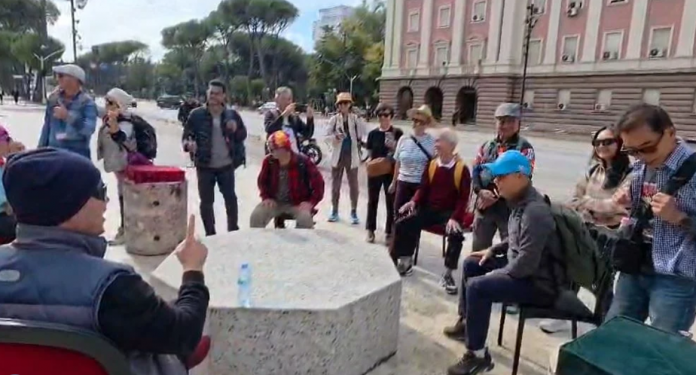
The city is ideal for a short stay. Visitors can explore the castle, wander through historic neighborhoods, and stroll along the lively evening promenade. Families out for walks and café terraces filled with people offer an authentic glimpse of Albanian social life.
The Albanian Riviera: A Mediterranean Jewel
In the south, Saranda has become one of Albania’s top summer destinations. With pebble beaches and crystal-clear waters, the city serves as a base for visiting nearby attractions such as Butrint, the Blue Eye (Syri i Kaltër), and the Ksamil islands.
Saranda also has direct ferry connections to the Greek island of Corfu, just 30 to 60 minutes away, making it easily accessible for international visitors.
Other parts of the Riviera, such as Himara and the secluded beaches along the Ionian coast, attract travelers seeking tranquility and unspoiled nature.
Safety and Perceptions
Despite stereotypes from films like Taken, Albania is widely considered safe for tourists, including solo female travelers.
Many visitors report feeling welcomed and respected, and serious incidents are rare. Albanian hospitality remains one of the most praised aspects, with foreigners often surprised by locals’ warmth and willingness to help.
The Best Time to Visit
Albania enjoys a Mediterranean climate with over 300 sunny days a year.
June and September are ideal for beach holidays, offering warm weather and fewer crowds than July and August.
Spring and autumn are perfect for mountain tourism, especially in the northern Alps. However, many coastal resorts close outside the summer season, so advance planning is recommended.
A Destination in Transformation
Albania is evolving from an “undiscovered” spot to a fast-growing tourism market.
Interest in the Albanian Alps, the rise of eco-tourism, and the arrival of digital nomads—drawn by low living costs and the country’s non-Schengen status—are all reshaping its visitor profile.
Experts believe that with continued investment in infrastructure, accommodation, and tourism services, Albania could strengthen its position as one of the Mediterranean’s most exciting destinations.
For travelers seeking beautiful beaches, historic towns, affordable prices, and an authentic Balkan experience, Albania is rapidly earning its place on Europe’s travel map.
Të ngjashme
Latest News


Most read










 RTI