
 English
 Français
 Deutsch
 Italiano
 Turkish
 Greek
 Serbian
Albanian Handicrafts




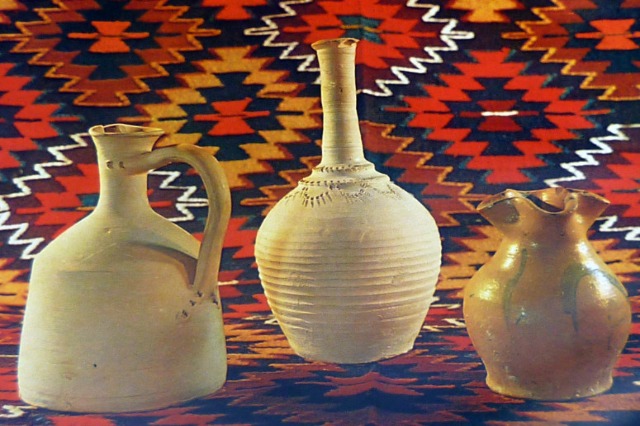
Albania is known for its rich tradition of valued handicrafts, created for centuries by folk artisans in every region, according to the characteristics and specifications of different geographical areas, standing out with its diversity, the large number of specimens and relics, as well as the aesthetic presentation of objects that reached unparalleled heights in the past.
Particularly noteworthy are the works in wood, iron, copper, alabaster, precious materials like gold and silver, leather, wool, and more, which among others are evidence of our national identity. These values, passed down from generation to generation, always arouse great interest among local and foreign visitors and researchers, in numerous exhibitions held both within and outside the country. The characteristic bazaars have also been enhanced and revitalized, especially in the cities of Kruja and Shkodra, where various artisanal products and their high level of utility and aestheticism stand out. Similarly, cities like Berat, Gjirokastra, and Saranda now have their own stores with artisanal products from their respective regions.

In recent years, characteristic shops of folk artisans have proliferated, who with a remarkable intuition in creation and exhibition have turned these environments into a true treasure and quite attractive for both local and foreign visitors, contributing to the increase in local and foreign tourists near them.
Works in copper, iron, wool, silver, etc., continue to attract the attention of visitors. Currently, the city of Kruja is the epitome of the production of objects of folk material culture. In Kavaja, the tradition of producing objects from clay continues, which find wide use among the local population and also arouse interest from local and foreign visitors. In Kuçova, the craftsmanship mainly focuses on working with gold leaves. In Puka, the activity of woodworking masters continues uninterrupted, especially in the production of folk instruments such as: flutes, lutes, bagpipes, pipes, etc. In Gramsh, alongside renowned woodworkers who create objects such as spoons, bowls, ladles, forks, churns, etc., there is a development in the production of objects from wool, especially rugs with patterns and borders, adapting to the demands of the time. In Përmet, the tradition of working with wool continues, such as carpets, blankets, corners, etc., which find widespread domestic use but also interest from local and foreign visitors.
For the method of work, ornaments, utilitarian and aesthetic values, the products of this kind have aroused the interest of traders from neighboring countries, Greece. In Korça and Përmet, the tradition of producing objects from stone, iron, and wood has expanded. Here we can mention the carving in red stone of sofas and basins by the craftsmen of Polena, and similarly, decorative door knockers find use in household environmental embellishment.
Nowadays, iron craftsmen are creating decorative works of such a level that they are finding use not only in surrounding environments but also within premises or even inside homes.
In Tirana, the traditional production of hats, looms, works in stone-alabaster and precious materials like silver as well as copper continues. The most successful business today is carried out by craftsmen producing traditional Albanian costumes for adults and children, those producing leather goods such as bags, blankets, and bands as well as the production of gold and silver boxes used by women and girls for storing necklaces, rings, pendants, etc., gold and alabaster products, wooden looms, etc.

In the Municipality of Antigonea, in Gjirokastra, in cooperation with a Dutch foundation, the workshop “Artisans of Antigonea” has been established, producing works from stone, etc., which have been well received in both the Albanian and foreign markets.
Driven by interest not only from local buyers but also from foreigners, and the development that Albanian handicrafts have undergone, many fairs and exhibitions of this craftsmanship have been organized outside the country to promote these values of Albanian cultural heritage.
Moreover, many artisan associations have been established which organize many promotional activities both domestically and internationally.
/k.s/
Të ngjashme


Latest News






Most read










 RTI