
 English
 Français
 Deutsch
 Italiano
 Turkish
 Greek
 Serbian
First Draft of Conservation Plan for Bylis Archaeological Park Presented




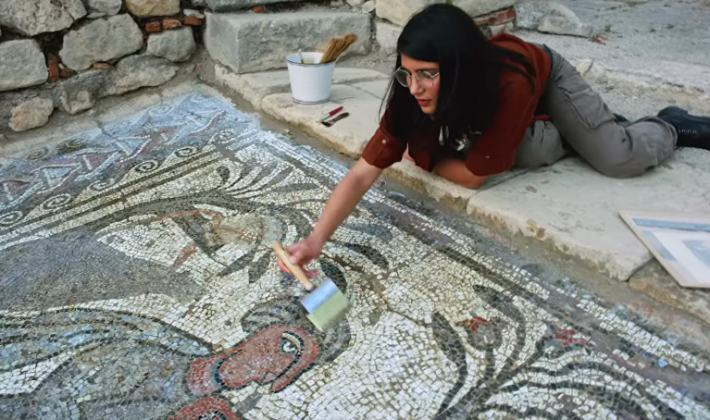
The Municipality of Mallakastër hosted the presentation of the first draft of the Conservation Plan for the Bylis Archaeological Park. The plan covers the ancient cities of Bylis and Klos. Moreover, it marks an important step toward the long-term protection of the region’s cultural heritage.
Bylis Archaeological Park represents a rare treasure of Albania’s heritage. In fact, it stands as one of the best-preserved cities of Illyria. The city rises on a hill overlooking the River Vjosa Valley. Monumental walls from the fourth century BC, an impressive theatre, rare mosaics, and five early Christian basilicas form its highlights.
The European Union funds the project through the EU-IPA II Program for Albania. Within this framework, the initiative “EU for Economic Development – Tourism-led, Local, Economic Development, with a focus on Cultural Heritage” continues. The Italian Agency for Cooperation and Development carries out its implementation.
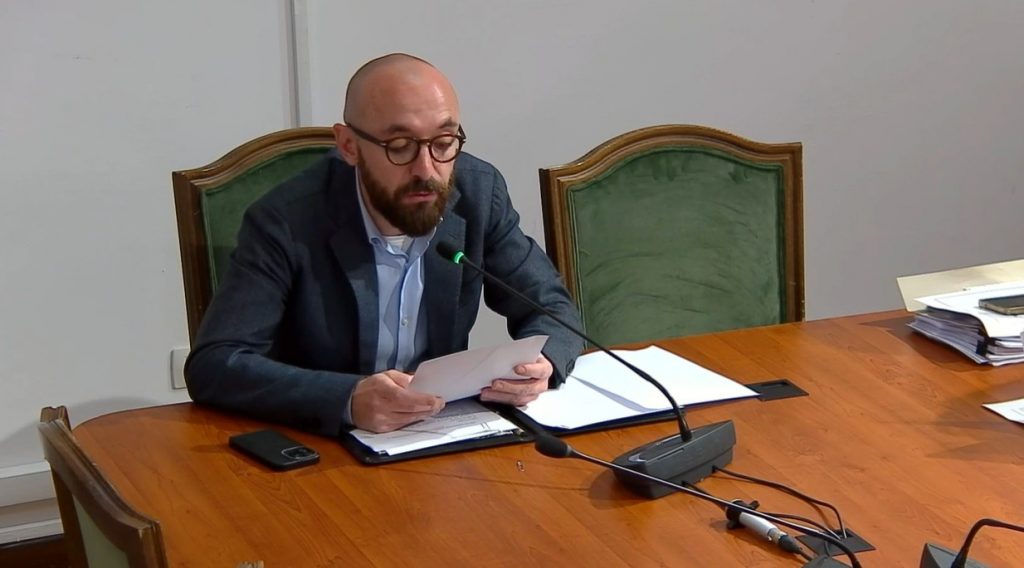
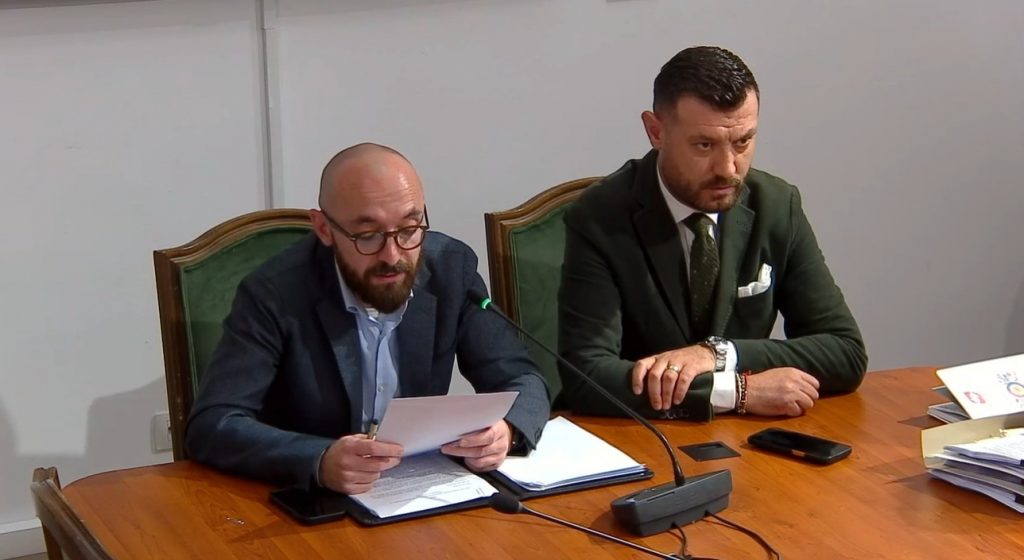
The event brought together the Mayor of Mallakastër, Qerim Ismailaj, the Director of the National Institute of Cultural Heritage, Joli Mitrojorgji, the Director of the Archaeological Park, Ornela Durmishi, experts, community representatives, and local businesses.
Organizers aimed to present the progress of the work so far. At the same time, they encouraged open discussion about monument conservation. Mayor Ismailaj, Ilir Parangoni, and Professor Neritan Ceka outlined the efforts for long-term protection and promotion of Bylis. Meanwhile, mosaic specialists Agron Islami, Berbis Islami, and Genc Metohu linked heritage conservation with tourism and community development.
The Director of the National Institute of Cultural Heritage, Joli Mitrojorgji, praised the program and underlined the growing importance of the site. She also stressed cooperation between the institute, the Ministry of Economy, Culture and Innovation, and the Italian Agency for Cooperation and Development. She confirmed that the institute has already provided suggestions for the draft. In addition, she thanked the experts for their contribution. She acknowledged the long-standing work of the Institute of Archaeology and several senior professors. She pledged that the institute will continue its engagement in the project.
Local residents added further value to the meeting by joining an open dialogue. They shared suggestions and ideas on how the community can take part in managing the park and protecting its heritage.
The National Institute of Cultural Heritage has already received the draft plan. It will integrate the suggestions of experts and the community into the final version. Finally, the National Council of Tangible Cultural Heritage will review and decide on the plan by the end of September 2025.
/a.p./
Të ngjashme

Latest News



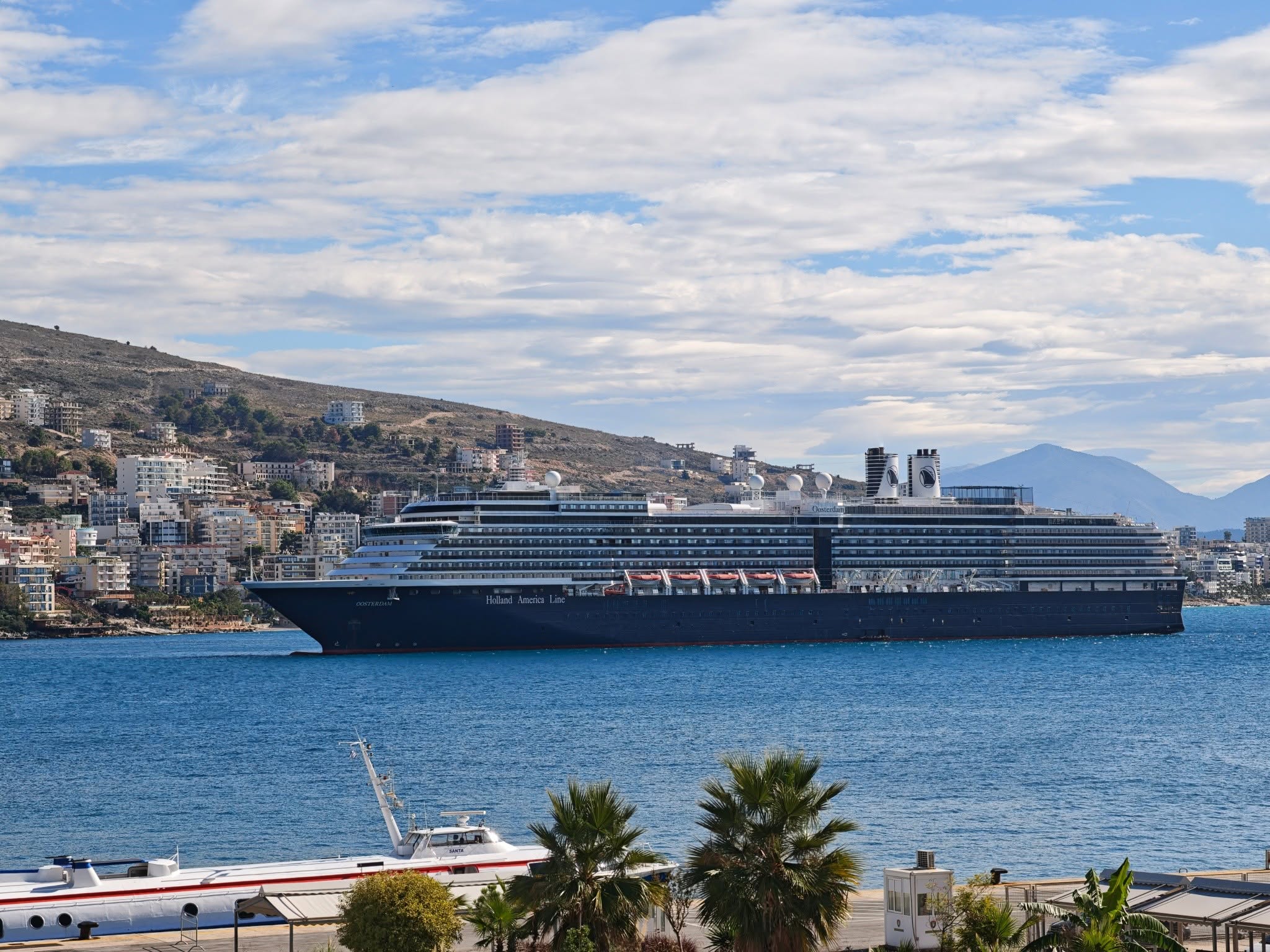
Oosterdam cruise ship arrives in Saranda with 1,900 tourists
Most read










 RTI