
 English
 Français
 Deutsch
 Italiano
 Turkish
 Greek
 Serbian
“Generation Voyage”: Albania, Mediterranean tourist destination with rich treasures and history




Visitors first discovered how the bunker functioned and explored reconstructed rooms where high-ranking officials stayed in case of an invasion.
In addition to its historical importance, Bunk’art 1 offered contemporary art exhibitions throughout the museum.
Meanwhile, visitors saw communist propaganda films on small black-and-white screens, illustrating the era’s indoctrination.
Bunk’art 2
Next, the tour continued at Bunk’art 2, located in the heart of Tirana.
The center provided an immersive experience on Albania’s tragic history under the dictatorship.
Visitors explored 24 rooms, including a real prison cell and decontamination areas.
They also visited a video museum dedicated to victims of communist terror, highlighting the persecution of thousands of Albanians.
Later, they entered a secret shelter built between 1981 and 1986 to protect elite police and Ministry of Interior members in case of a nuclear attack.
The shelter displayed uniforms, weapons, and vehicles used by security services, offering a unique perspective on regime defense strategies.
Hidden Statues of Tirana
Afterward, visitors explored sculptures of leaders and national heroes, reflecting the communist era.
Once prominent in the city, statues of Lenin, Stalin, and Hoxha were relocated after the National Gallery of Art in Tirana. They formed the famous “Hidden Statues of Tirana.”
Officials described it as a hidden gem, allowing tourists to experience the end of the war and the enduring sense of national pride.
Cold War Tunnel
The tour then moved to the Cold War Tunnel in Gjirokastër, built in the 1970s.
The 800-meter-long tunnel contained 59 rooms and served as a bunker and headquarters for communist leaders.
Guided tours provided detailed information on the site’s history.
In addition, visitors explored an underground emergency shelter from the late communist era.
It housed government ministers, interrogation rooms, accommodations, and facilities for electricity production and water storage.
Arms Museum
Following this, visitors explored the Arms Museum in Gjirokastër, linked to Albania’s communist dictatorship from 1944 to 1991.
The museum displayed weapons, rifles, armored vehicles, uniforms, and insignia used by soldiers and officers.
Photographs and documents traced Albania’s military history, providing clear evidence of the period.
Porto Palermo Fortress
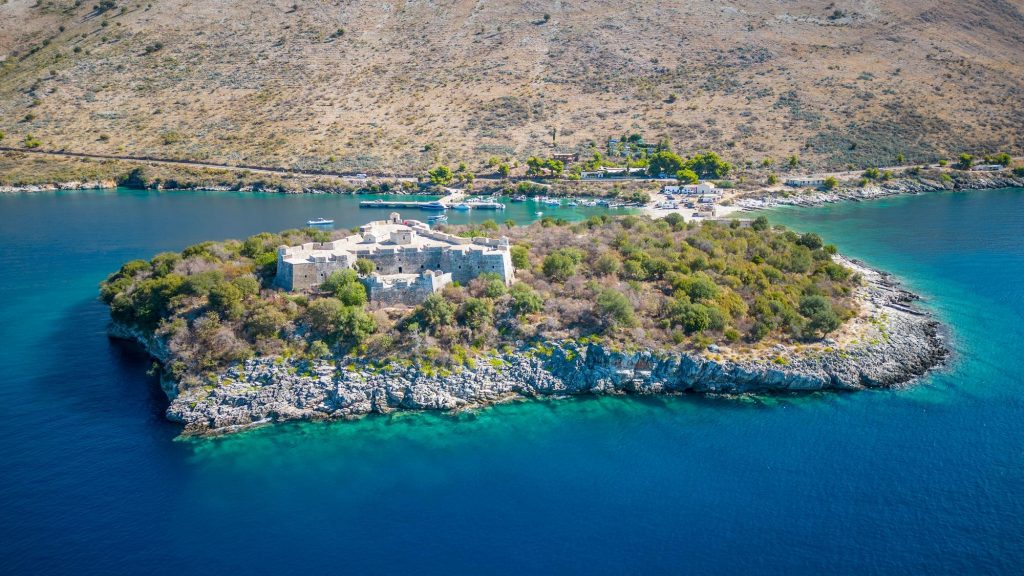
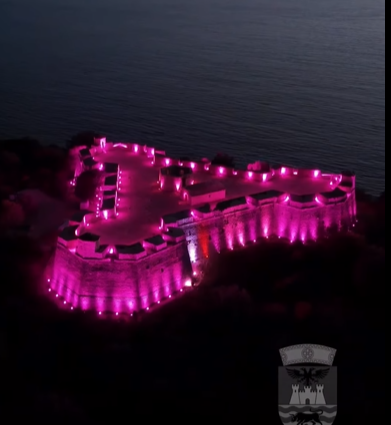
Finally, the tour concluded at Porto Palermo Fortress near Himara.
Once a Soviet submarine base, the fortress attracted history enthusiasts with its tunnels and barracks.
Visitors explored former cells where prisoners endured harsh conditions, lacking heat, water, food, winter clothing, and sanitation.
Moreover, the fortress held historical significance dating back to the 19th century. Ali Pasha Tepelena built it, demonstrating Albania’s rich history.
– https://generationvoyage.fr/albanie-dictature-communiste/–
Të ngjashme
Latest News

Most read










 RTI