
 English
 Français
 Deutsch
 Italiano
 Turkish
 Greek
 Serbian
March 7, 1887: The Opening of the First Albanian Language School After Centuries of Ottoman Repression




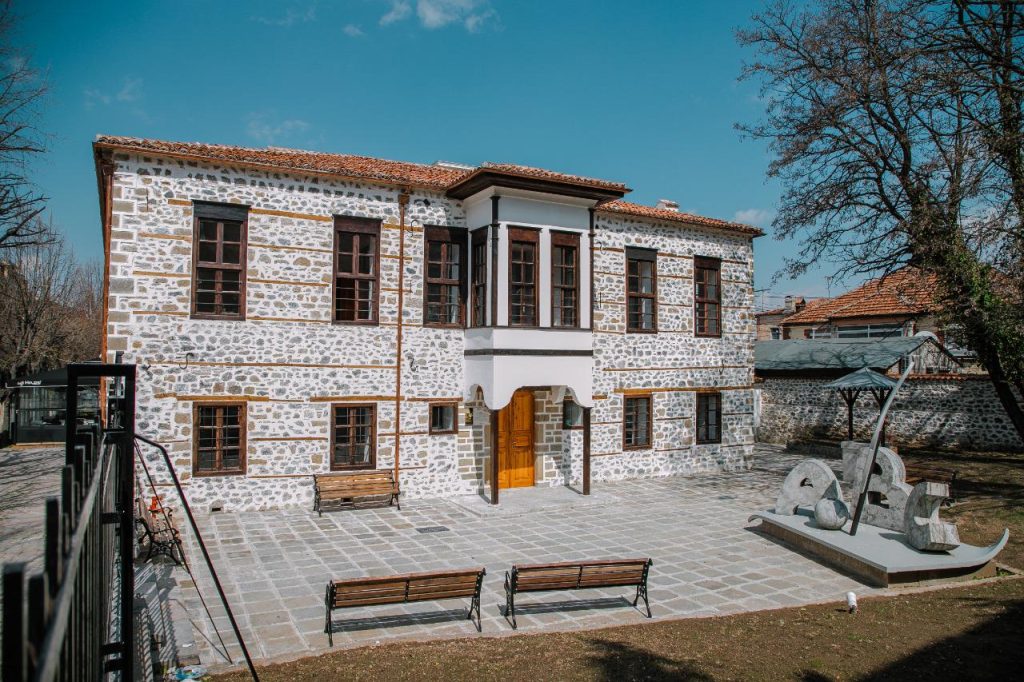
March 7th is a significant date in the history of Albanian education, as it marks the opening of the first Albanian-language school in Korça in 1887, after centuries of Ottoman prohibition.
This event represented a pivotal moment for the Albanian nation, laying the foundation for the spread of the Albanian language and the strengthening of national identity.
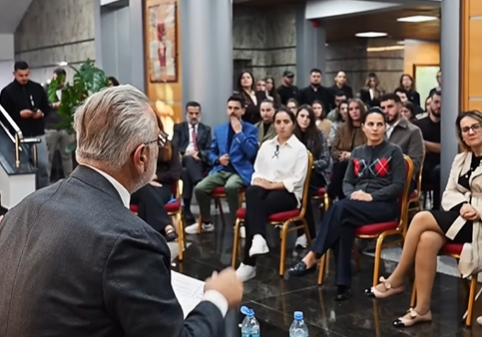
In an interview on the “Good Morning Albania” program on RTSH 1, historian Melsi Labi discussed the historical context and the importance of this date.
“There is a series of facts that go back to the Albanian League of Prizren, the National Renaissance figures of 190th century, and the Albanian patriots. Among them, one of the most important was Abdyl Frashëri, who also held a high position in the Ottoman Empire’s administration. After his request, the Porte approved the autonomy of four [Albanian] vilayets, placing them under the protection of the Ottoman Empire. This decision gave momentum to the Renaissance figures, including Sami Frashëri, a genius in both Turkish and Albanian literature, known to the Ottomans as Shemsedin Sami.
Sami Frashëri contributed to the cultural development of Albanian people. He successfully obtained a decree from the Porte for the opening of the first Albanian-language school. This task was assigned to Pandeli Sotiri, who traveled to Korça, where the school opened on March 7, 1887. Pandeli Sotiri served as the school’s director for about a year. Following this, on October 15, 1891, Gjerasim and Sevasti Qirjazi opened the first girls’ school, also based on the Albanian language,” Labi explained.
The opening of the first Albanian-language school was not without its challenges.
“Culture and education always bear the brunt when it comes to elevating intellectual and national consciousness. During that time, there was significant repression regarding the use of the Albanian language. It was prohibited in several institutions, including churches and mosques, in certain regions, despite decrees from the Porte.
In the geopolitical context of the time, the Albanian leaders had to engage in pragmatic dialogue with Sultan Abdyl Hamit and the Empire’s leadership to defend Albanian interests. Along with having support, one needed tremendous courage because, at that time, the Albanian language and identity were strictly prohibited, not only by the Empire but also by the [Orthodox] Church,” emphasized Professor Labi.
The first school had a lasting impact on the development of education, with several notable figures contributing to this journey.
“We have Naum Veqilharxhi, the father of the modern Albanian alphabet, Pandeli Sotiri, the Frashëri brothers, Pashko Vasa, and other National Renaissance figures, from Asdreni and Çajupi to the independence fighters of 1912. They played an important role in raising national awareness, using both pens and weapons, and their efforts ultimately led to Albania’s independence,” Dr. Labi concluded.
/a.p./
Të ngjashme
Latest News
Shkodra: A Cradle of Albanian Culture and History

Discover Durrës: The Perfect Coastal Getaway in Albania
Most read










 RTI