
 English
 Français
 Deutsch
 Italiano
 Turkish
 Greek
 Serbian
National Archaeological Museum Marks 78 Years as Albania’s First Museum Institution




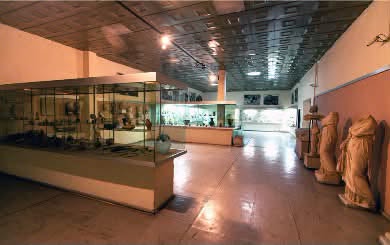
Albania’s National Archaeological Museum marks 78 years since its opening on November 1, 1948. It was the first museum institution established in the country after World War II.
The museum emerged as Albania sought to rebuild its infrastructure and preserve its historical memory and cultural identity. It initially operated as the Archaeological-Ethnographic Museum, bringing together artefacts that documented the country’s ancient civilisations and cultural traditions.
Its opening reflected the efforts of Albania’s first generation of archaeologists to establish national institutions for research and heritage preservation.
Archaeologists Hasan Ceka, Selim Islami, Skënder Anamali and Frano Prendi played a key role in founding and developing the institution. Their work also helped establish archaeological research as a scientific discipline in Albania.
Over the following decades, the museum became the country’s main centre for collecting, studying and exhibiting archaeological finds. Its collections documented the civilisations that inhabited Albanian lands, from prehistoric times through the Middle Ages.
In 1976, the museum separated its ethnographic pavilion and adopted a dedicated archaeological profile. It then became known as the National Archaeological Museum.
Since then, the institution has continued to play a major role in preserving Albania’s cultural heritage and supporting archaeological research.
Today, the Autonomous Archaeological Museum, operating under the Academy of Sciences of Albania, remains an important reference point for understanding the country’s ancient past. Its collections showcase Illyrian, Greco-Roman, Byzantine and medieval civilisations while preserving archaeological treasures for future generations.
Të ngjashme
Latest News



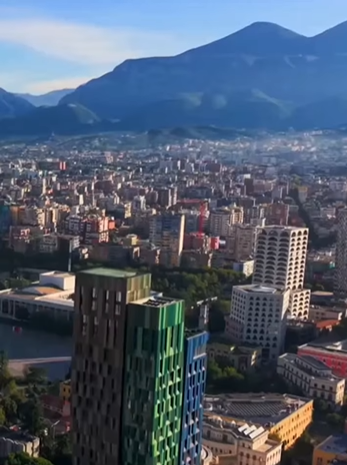
Tirana Takes the Global Stage as “The Amazing Race” Arrives in Albania
Most read










 RTI