
 English
 Français
 Deutsch
 Italiano
 Turkish
 Greek
 Serbian
Rama: EU should bring candidate countries to the negotiating table




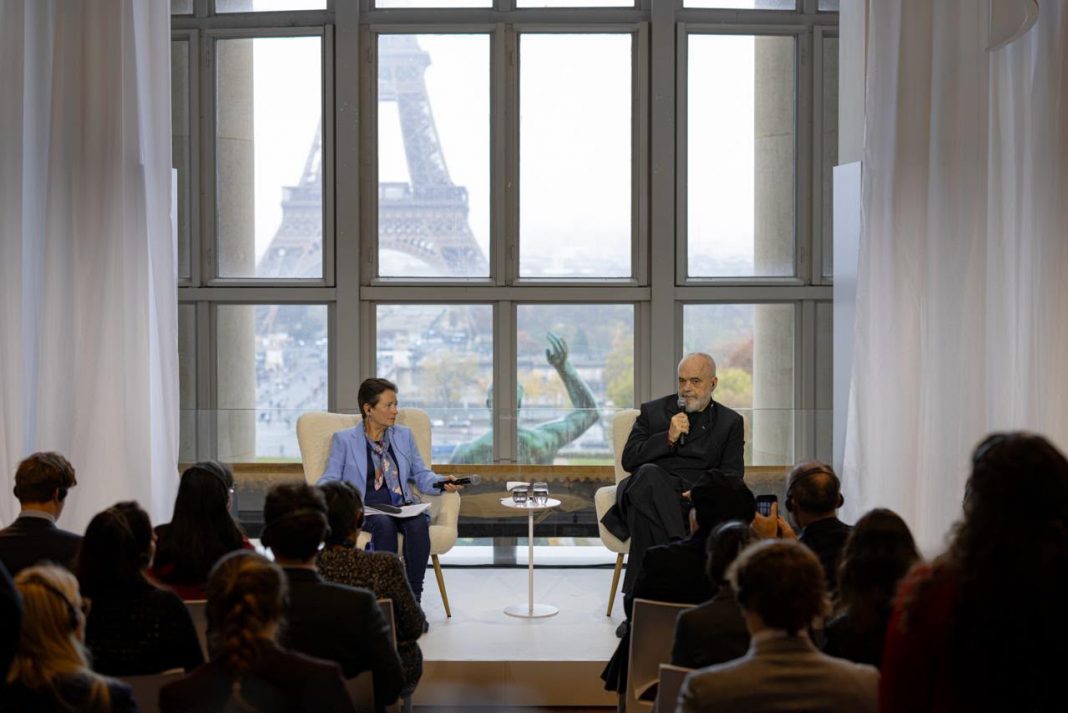
Prime Minister Edi Rama said that Albania’s EU accession process offers a major opportunity to strengthen the country’s institutions and build a stronger state. However, he called on the European Union to adopt a new political approach to enlargement while preserving the principle of merit.
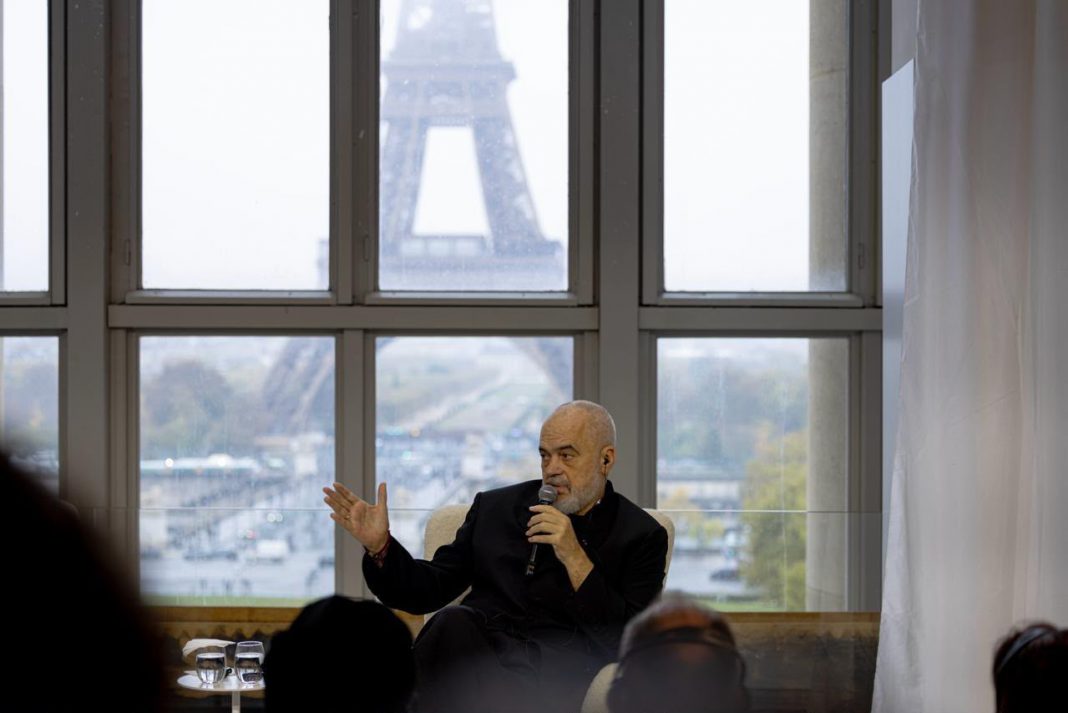
Speaking at the Paris Peace Forum, Rama discussed Albania’s European prospects, Ukraine’s possible accession, the future of the EU and the meaning of freedom within the European project.
First, he rejected claims that Ukraine could receive special treatment in the accession process. At the same time, he praised Ukraine for its contribution to Europe’s security.
“First of all, this exception is a lie. Anyone who says it is lying, because it is not happening. Secondly, I believe Ukraine deserves full recognition for its contribution, because it is fighting not only for itself but also for Europe and the European way of life,” Rama said.
He also pointed out that the EU’s latest Enlargement Package identifies four countries as being at the forefront of the accession process: Albania, Montenegro, Ukraine and Moldova.
Turning to Albania’s own path towards membership, Rama stressed that EU accession is particularly important for countries that still need to strengthen their institutions and state structures.
“The accession process is the best thing that can happen to countries like ours. We are not France, which has been a state for a very long time. We come from a very dark past and have a limited, if not almost non-existent, tradition of statehood and institutions that hold a country together. Therefore, the European Union is a blessing because it gives us the tools to build our institutions and our state,” he said.
Rama added that the process takes time but remains necessary. He also warned against rushing through the required reforms without building the capacity to meet European standards. To illustrate his point, he compared early accession without proper preparation to receiving a driving licence without knowing how to drive.
Meanwhile, the Prime Minister called for a new political approach to EU enlargement. He referred to the example of former German Chancellor Helmut Kohl and German reunification.
Rama recalled that when Kohl stood at the fallen Berlin Wall, he did not tell East Germans that they first had to complete 33 chapters before becoming free. Instead, he declared that they were free and that the two parts of Germany were now together. The institutions were then gradually brought together.
Building on this example, Rama proposed that the EU bring the seven countries currently negotiating membership directly into its discussions.
“The European Union should bring these seven countries that are negotiating accession around the table,” he said.
However, he made clear that this proposal should not weaken the merit-based process. Each candidate country must continue to fulfil its obligations and complete the necessary reforms.
“Every country must continue doing its homework, but every country should also have a seat at the table. If you want to receive more from the table, you must contribute more through a merit-based process,” Rama said.
He argued that greater political involvement could help change a system in which accession negotiations can continue for years and individual member states can block progress through vetoes.
Rama said he could not predict whether such a change would happen, but maintained that the EU should consider this approach as part of the future of enlargement.
/a.c/
Të ngjashme
Latest News

Most read










 RTI