
 English
 Français
 Deutsch
 Italiano
 Turkish
 Greek
 Serbian
SciencePost.fr highlights Albania’s bunker history and their transformation into memory sites




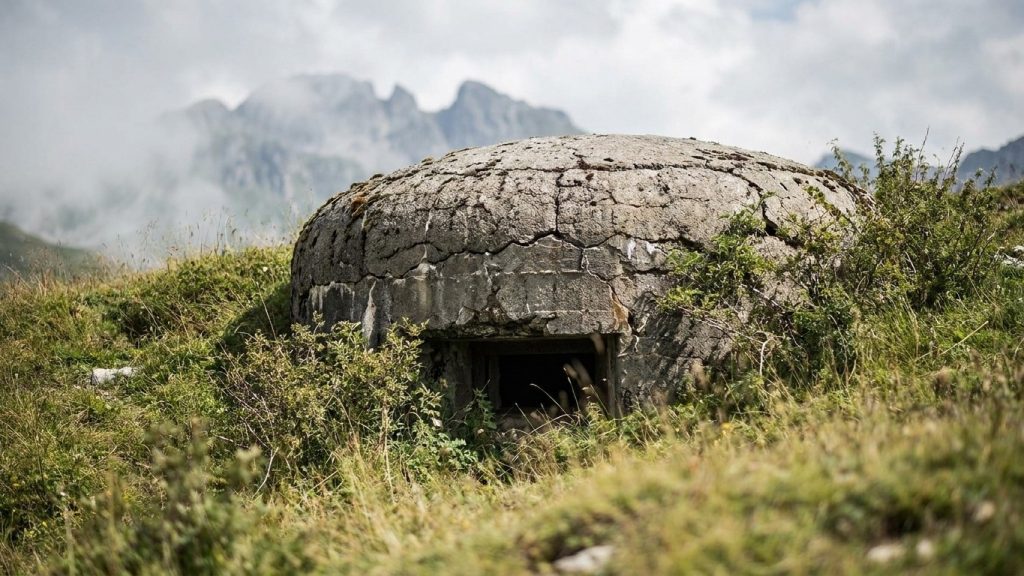
TIRANA, July 8 – French media outlet SciencePost.fr has published an extensive report on Albania’s bunkers, one of the most visible symbols of the communist era.
The report describes one of Europe’s largest fortification projects, launched by former communist leader Enver Hoxha. Albania built hundreds of thousands of concrete structures across the country to prepare for a war that never came.
SciencePost.fr highlights that Albania reached a peak density of six bunkers per square kilometre between 1967 and 1985. During that period, the country built around 600,000 bunkers of different sizes. Today, more than 173,000 remain across mountains, fields, cities and coastal areas.
The report explains that the bunker programme reflected the regime’s policy of isolation and fear of external threats. It also notes the heavy costs of the project, as Albania dedicated major resources to fortifications while facing shortages in housing, healthcare and education.
Meanwhile, many bunkers have gained new purposes after the fall of communism. Some now serve as museums, cultural spaces or tourist attractions. SciencePost.fr mentions Bunk’Art 1 as one of the best-known examples, where a former underground shelter now preserves memories of the communist period.
The report concludes that Albania’s bunkers, built for a conflict that never happened, remain visible reminders of a past shaped by isolation and fear.
/a.p./
Të ngjashme
Latest News

Most read










 RTI