
 English
 Français
  Deutsch
 Italiano
 Turkish
 Greek
Greek Serbian
“People are disappointed with the process”, VOA reveals EU document: Start negotiations with Albania and North Macedonia!




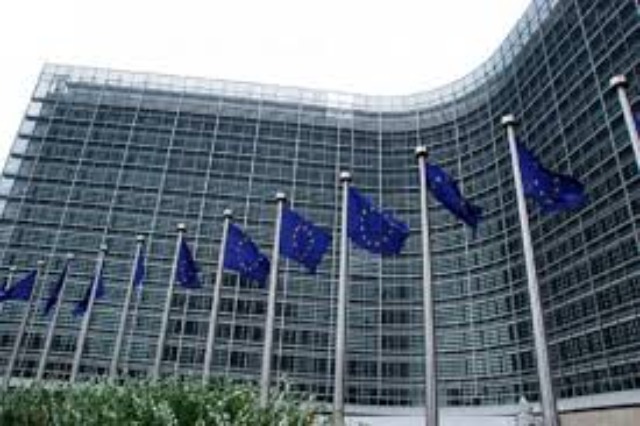
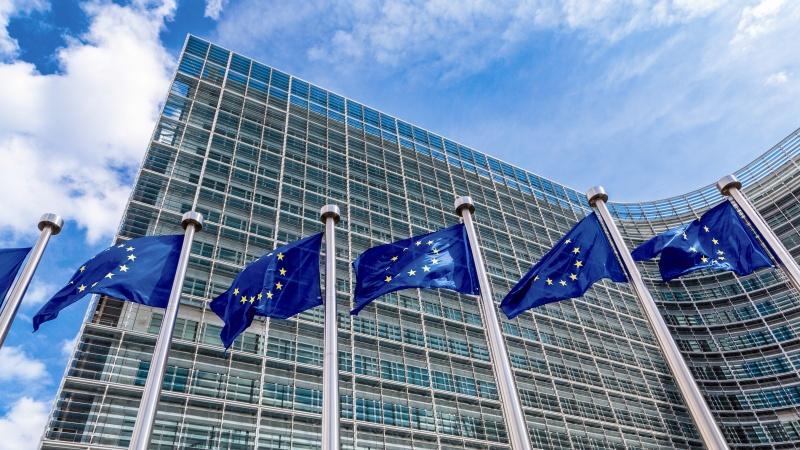
An internal European Union document seen by VOA says people in the Western Balkans are experiencing a deep sense of frustration with the EU enlargement process.
The report identifies as key factors for this disappointment the lack of decisive steps for Albania and North Macedonia following the European Council decision of March 2020 to open accession negotiations; the slow pace in Serbia and Montenegro to move on the path of the EU, uncertainty about the Belgrade-Pristina dialogue and others.
Disappointment was further fueled by the perception that the EU was late in distributing COVID-19 vaccines, according to the report, which is a May 5 letter sent by EU officials to the 27 member states’ foreign ministries.
The report says that in the Western Balkans there is a widespread perception that membership prospects are darkening and European aspirations are being lost in the complex maze of conditions and procedures that keep the Western Balkans locked.
Despite the prevailing negative perception, public opinion across the region is still largely in favor of membership, albeit to varying degrees, the report said. In the absence of a perceived EU integration process, which would provide wider space for the coexistence of a majority of national identities, the report says, nationalist rhetoric and exclusionary policies are gaining ground.
The main challenge, the report says, lies in the Western Balkans’ ability to meet the standards and obligations arising from membership, and in the effectiveness and determination of the EU to support the necessary reforms. When the EU is not actively and visibly present in the region, the report says, leaders there turn to someone else and leave political space to actors with different interests and often competing with those of the EU.
According to the report, increasing the region’s resilience is crucial to strengthening the EU’s strategic autonomy and its ability to project stability in the surrounding areas, especially in the face of new global security challenges, hybrid threats, including campaigns. misinformation and cyber attacks.
The COVID-19s pandemic has served as an accelerator of geopolitical trends and challenges, highlighting the need for a closer partnership between the EU and the Western Balkans, the report said.
In parallel with boosting NATO engagement, US foreign policy in the region is based on the premise that the EU will consolidate European unity and integrate the Western Balkans, the report said. The United States, it says, actively supports the process, but also expects the EU to lead and implement that vision.
For Albania and North Macedonia, the report says, the EU membership process itself has served as the strongest impetus for reform. It is now crucial that accession negotiations begin as soon as possible and move forward, in parallel with the continuation of reforms in both countries.
Given that governments in both Serbia and Kosovo now have leadership with stable political mandates from their electorate, the report says, they should seize the opportunity to reach a comprehensive agreement on normalization. None of them have time to lose. The report also says that the progress in visa liberalization for Kosovo should be treated as something urgent by European Union member states.
/Klara Ruci/
Të ngjashme
Latest News








 RTI
RTI