
 English
 Français
 Deutsch
 Italiano
 Turkish
 Greek
 Serbian
Onufri Iconographic Museum in Berat




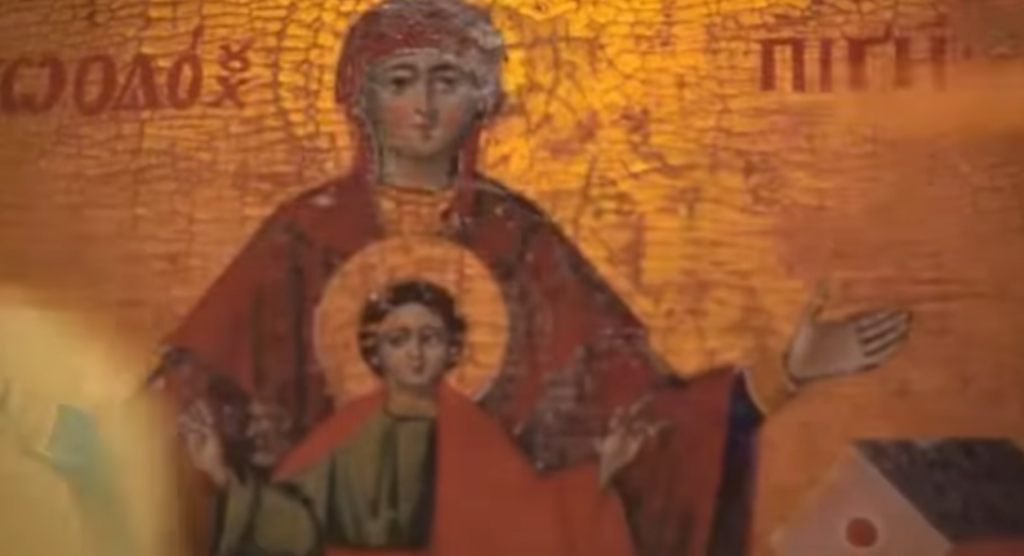
Located within the Castle of Berat, the Onufri Iconographic Museum is housed in the Church of the Dormition of the Virgin Mary. The museum is named after Onufri, one of the most prominent Albanian painters of the 16th century.
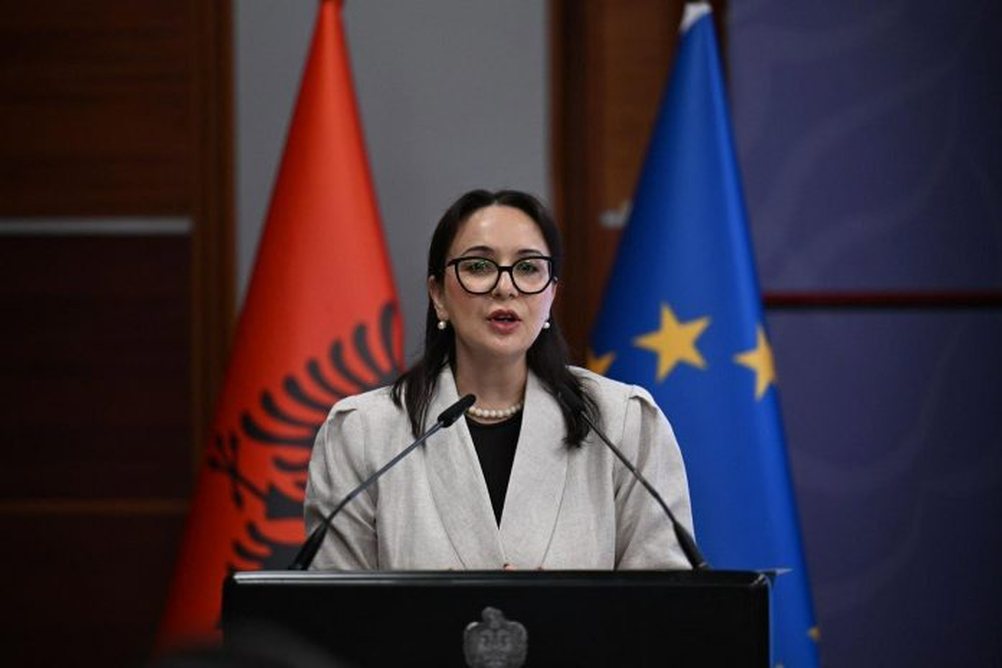
Minister of Economy, Culture, and Innovation, Blendi Gonxhja, recently shared images from the museum, describing it as “a journey through color and history conveyed through icons.”
In 2024, the museum welcomed over 106,000 visitors, marking a 40% increase compared to 2023.
The church, reconstructed in 1797 in the “Kala” quarter, once served as the city’s cathedral. The museum’s collection consists of 200 selected objects, primarily icons and liturgical artifacts, drawn from the churches and monasteries of the Berat region. The artworks span from the 14th to the early 20th century.
The church’s iconostasis, dated 1807, is considered one of the finest examples of Albanian woodcarving craftsmanship.
Icons in the collection were painted by renowned iconographers such as Onufri, his son Nikolla, Onufër Qiprioti, David Selenica, Kostandin Shpataraku, Adam Kristo, the Çetiri family (Gjergji, Joani, Nikolla, Naumi, Gjergji the Younger, and Ndini), and numerous anonymous painters.
On August 12, 1968, beneath the apse floor, two significant manuscripts were discovered: the Codex Purpureus Beratinus (6th century AD) and the Codex Aureus Anthimi (9th century). These codices are monumental works of Christian thought and civilization and are inscribed in UNESCO’s Memory of the World Register.
/a.c/
Të ngjashme
Latest News


Most read










 RTI