
 English
 Français
 Deutsch
 Italiano
 Turkish
 Greek
 Serbian
National Library of Albania: A Century of Cultural and Intellectual Growth




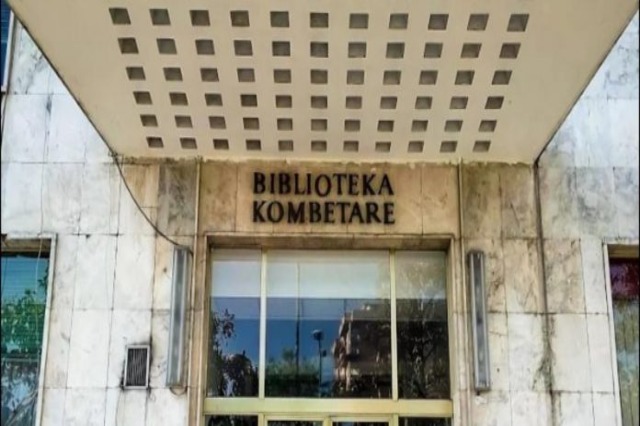
On December 10, 1922, the National Library of Albania (BKSH) was officially inaugurated, marking a significant milestone in the cultural and intellectual life of the country. Founded on July 10, 1920, it was Albania’s first state, public, and secular institution. At the time of its opening, the library housed 6,000 book titles, with linguist and journalist Karl Gurakuqi serving as its first director.
Under the Albanian monarchy (1928-1937), the library flourished, particularly under the leadership of Sotir Kolesë, the “father” of Albanian librarianship. By the end of World War II, the library’s holdings grew to 15,000 volumes, and by 1947, it had expanded to approximately 100,000 volumes.
A key moment in its growth came with the May 31, 1948 decree mandating the mandatory delivery of all printed works to the library, strengthening its role as the nation’s central archive.
Following the fall of the dictatorial regime, the library removed barriers to information access, furthering intellectual engagement and ensuring its role in preserving Albania’s cultural and academic heritage.
/a.c/
Të ngjashme


Latest News






Most read










 RTI