
 English
 Français
 Deutsch
 Italiano
 Turkish
 Greek
 Serbian
The heroines of World War II, for whom an artistic film was produced




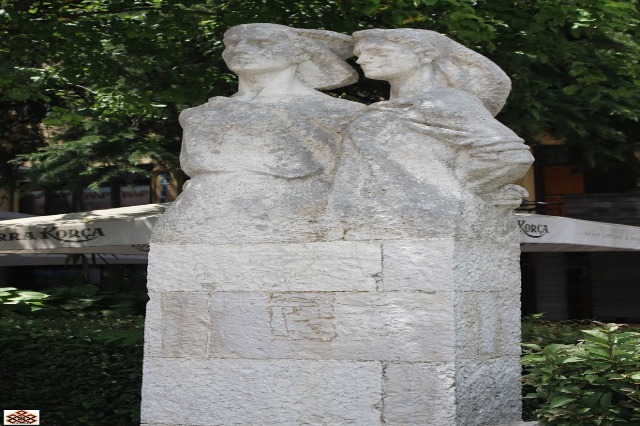
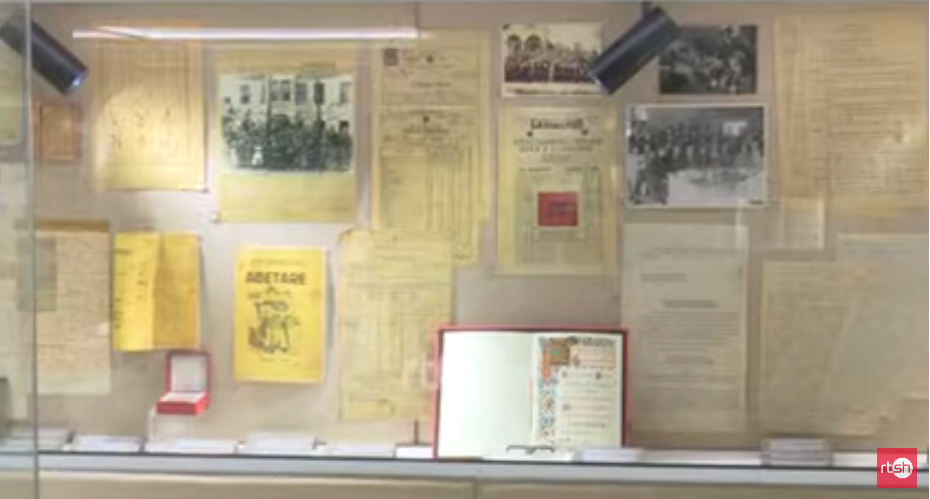
The National Historical Museum today commemorated the passing of Bule Naipi and Persefoni Kokëdhima, heroines of the National Liberation Anti-Fascist War.
Their lives, patriotic activities, and steadfastness have been the subject of the artistic film “Eternalization Over Death.”
Bule Naipi (1924-1944), born in Gjirokastër, joined the Communist Party of Albania (PKSh) soon after its founding. She participated in anti-fascist demonstrations and worked to disseminate the ideals of the National Liberation Anti-Fascist War among the populace, particularly among young women in Gjirokastër, Libohovë, and Konispol. She also contributed to activities in the liberated Kurvelesh region and organized a bread strike in Gjirokastër in 1943.
Captured unexpectedly by Nazi forces and their collaborators, Bule Naipi endured torture in Gjirokastër Castle prison and was publicly executed in the city square on July 17, 1944.
Persefoni Kokëdhima (1924-1944), born in Qeparo, Himarë, actively participated in Communist Youth groups and joined Brigade VI S early in 1944. She fought in battles during the general enemy offensive in June 1944. During Operation June 1944, her brigade engaged in the National Liberation Army’s (UNÇ) overall counter-offensive. At Qafë Gjashtë in Sarandë, Persefoni’s company ambushed a German convoy. There, she was wounded in the right shoulder and suffered severe frostbite. Her partisan comrades left her at her father’s house in Qeparo for treatment. However, she was betrayed, arrested, tied, and taken to prison. The Germans hanged her a day before Bule Naipi, aiming to use her execution as a deterrent and extract information about the organizers of the anti-fascist movement.
/a.c/
Të ngjashme

Latest News

Most read










 RTI