
 English
 Français
 Deutsch
 Italiano
 Turkish
 Greek
 Serbian
98 birth anniversary of Cardinal Ernest Simoni, bearing witness to faith, forgiveness and freedom




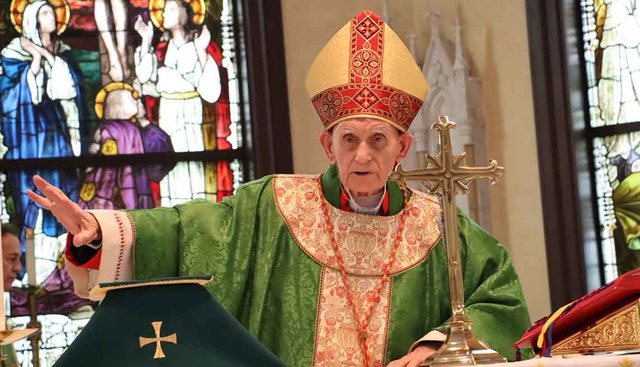
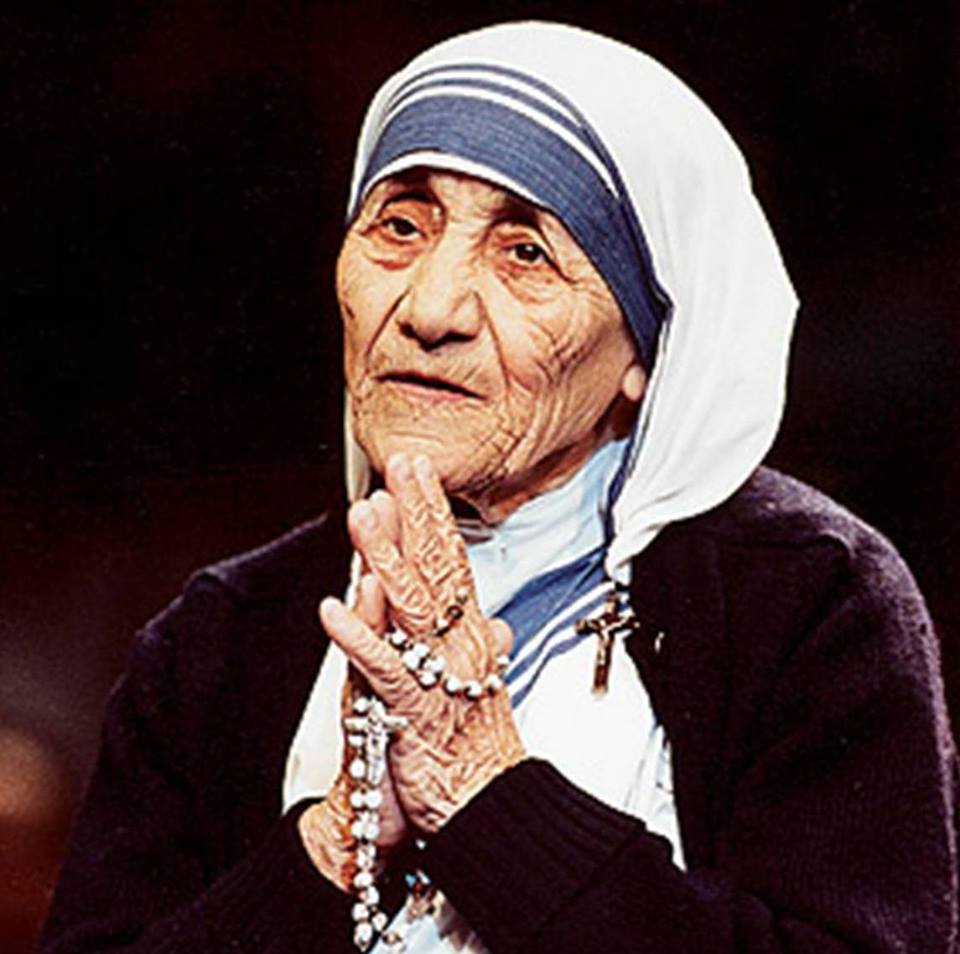
today is the 98 birth anniversary of Cardinal Ernest Troshani Simoni. His life tells a remarkable story of faith, suffering and forgiveness. It also reminds us that human dignity can survive even the harshest persecution.
Born on October 18, 1928, in Troshan, near Lezhë, Simoni grew up in a deeply religious family. At age 10, he entered the Franciscan college in Troshan and began preparing for the priesthood.
However, Albania’s communist regime soon launched a brutal campaign against religious institutions. In 1948, authorities raided the Franciscan monastery in Troshan, killed friars and dispersed the novices. Despite the persecution, Simoni continued his theological studies in secret. He received priestly ordination in Shkodër on April 7, 1956.
His ministry came at an enormous personal cost. On Christmas Eve 1963, authorities arrested him after Mass. A court initially sentenced him to death, but later commuted the sentence to imprisonment and forced labour. Simoni spent approximately 18 years in prisons and labour camps, including 12 years working in mines.
In 1973, authorities sentenced him to death again, accusing him of encouraging a revolt. However, they never carried out the sentence. Throughout his imprisonment, Simoni secretly celebrated Mass and offered spiritual support to fellow prisoners.
After his release in 1981, the regime continued to persecute him. He worked in Shkodër’s sewer system while secretly continuing his priestly ministry. Nevertheless, he refused to let suffering turn into hatred.
Following the fall of communism, Simoni resumed his public ministry and promoted reconciliation, including among families affected by blood feuds. In 1990, he celebrated Mass publicly in Velipojë, marking an important moment in the revival of religious life in Albania.
Pope Francis appointed him a cardinal on November 19, 2016, in recognition of his extraordinary witness to faith. Francis had previously described him as a “living martyr” after hearing his testimony.
In July 2026, at age 97, Simoni returned to the former Spaç labour camp to celebrate Mass in memory of those who suffered and died there. He brought his miner’s helmet as a tangible reminder of the hardship he had endured.
Now, at 98, Cardinal Simoni’s legacy extends far beyond the Catholic Church. His life calls on Albanians to preserve historical memory, defend human dignity and pursue peace without abandoning justice. Above all, his example shows that forgiveness does not erase wrongdoing. Instead, it prevents hatred from defining the future.
Të ngjashme
Latest News
Most read










 RTI