
 English
 Français
 Deutsch
 Italiano
 Turkish
 Greek
 Serbian
Bank of Albania increases transparency on currency exchange fees for card and online payments




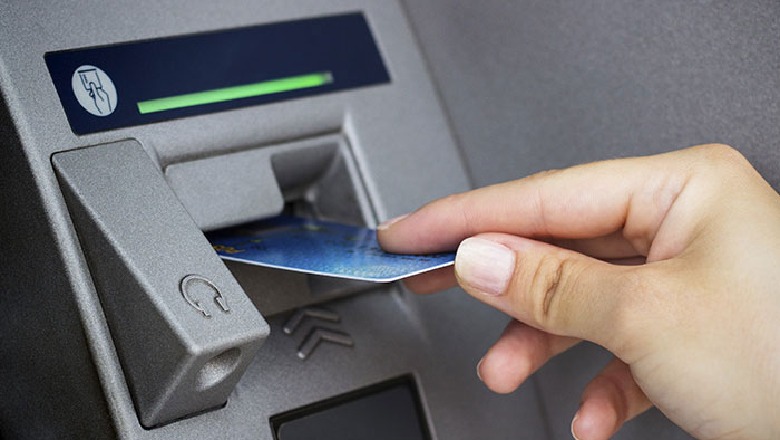
The Supervisory Council of the Bank of Albania has approved new rules to improve transparency on currency exchange fees.
The changes update the regulation on comparing payment account fees and transferring payment accounts. They introduce new requirements for informing customers about foreign exchange costs.
The rules mainly cover bank card transactions at ATMs and POS terminals. They also apply to online credit transfers.
When customers use a card at an ATM or POS terminal and the transaction involves currency conversion, banks must provide clear information before the customer completes the payment. Customers must see the exchange rate and applicable fees.
In addition, providers must show the exchange fee as a “mark-up” over the Bank of Albania’s reference exchange rate. This allows customers to see the difference between the official reference rate and the rate applied to their transaction.
For example, when customers use an Albanian card abroad, they will receive more information about currency conversion costs before confirming a payment. As a result, they can understand the real cost and avoid unexpected exchange charges.
Payment service providers must also publish information about these fees. They will also send customers relevant electronic notifications.
The new rules cover online credit transfers as well. Before customers confirm a foreign-currency transfer, banks and payment providers must clearly show the exchange rate, fees and total transaction amount.
Therefore, customers will know in advance how much they are transferring and how much the transaction will cost in total. The final amount will include currency conversion costs and other applicable fees.
According to the Bank of Albania, the measures will improve fee transparency and comparability. They will also help citizens and businesses make better-informed decisions before making payments.
Meanwhile, the changes support the growth of digital payments. They also facilitate payment automation and align the regulatory framework with the growing use of electronic payment channels.
Ultimately, the new rules aim to ensure that customers know the full currency exchange cost before completing a payment, rather than discovering unexpected charges afterward.
/a.c/
Të ngjashme








Most read










 RTI