
 English
 Français
  Deutsch
 Italiano
 Turkish
 Greek
Greek Serbian
BBC REPORT: Albania’s Protests Turn Violent as Anti-Government Anger Spreads Across the Country




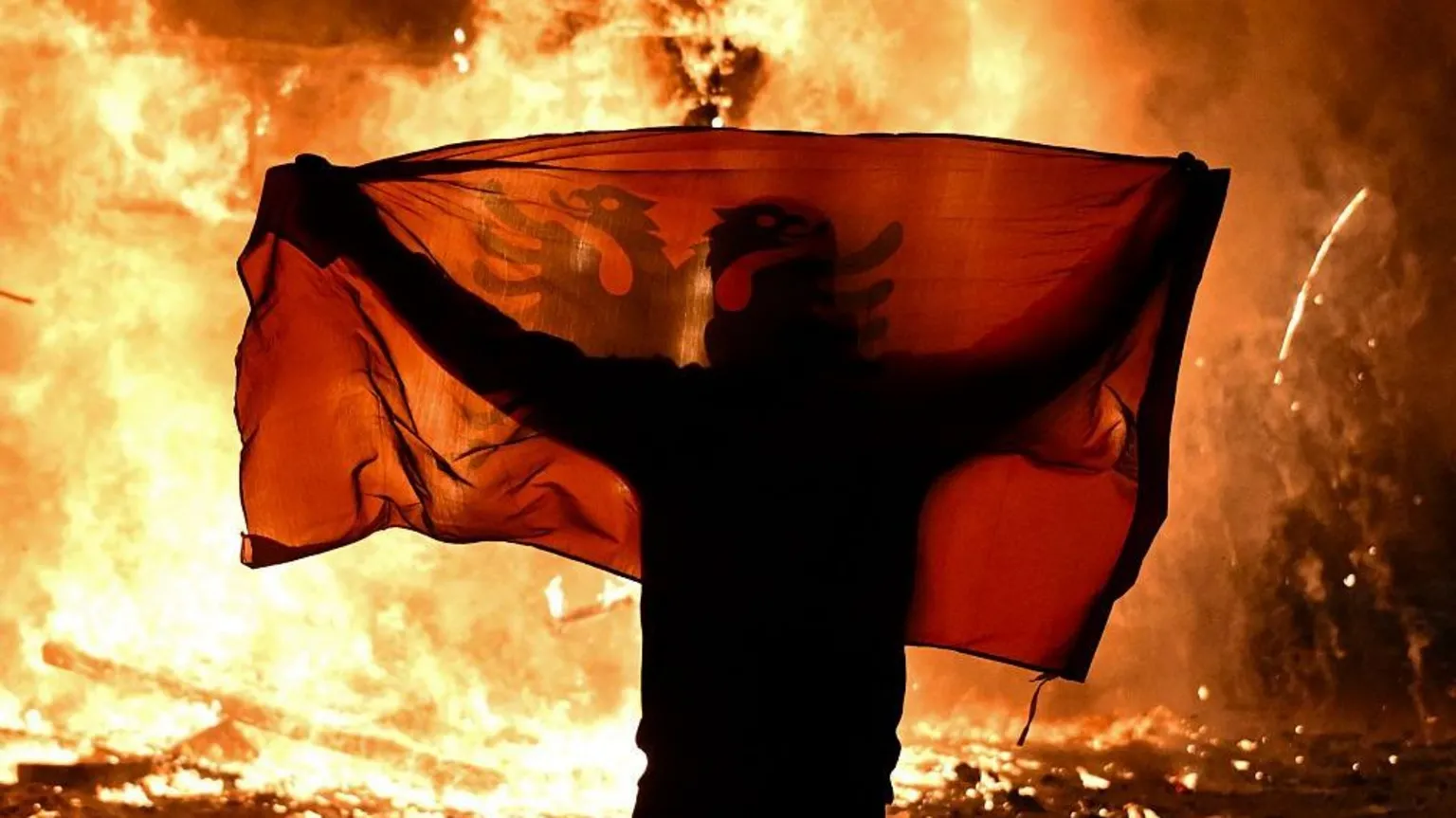
Anti-government protests in Albania have escalated into violent clashes between demonstrators and police, with unrest spreading from Tirana to several other major cities. In its latest report, the BBC examines the causes of the demonstrations, the growing public anger and the government’s response.
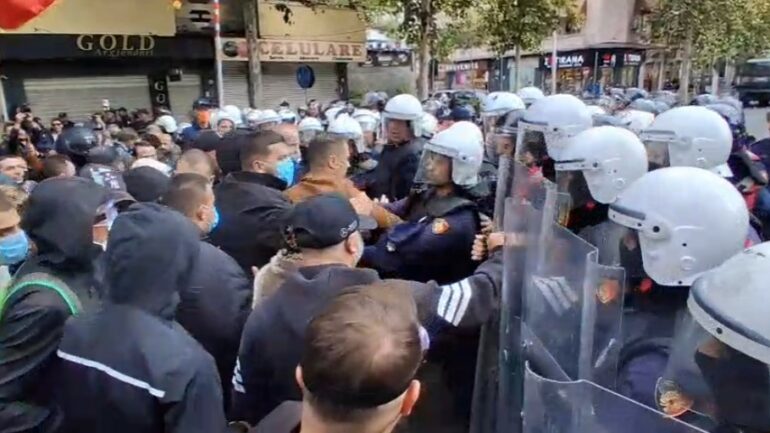
The protests intensified on Tuesday, October 13, as students and young people demanded action over rising education costs, expensive books and the wider cost of living. Demonstrations also reached Durrës, Shkodër, Lezhë, Vlora, Gjirokastër and Korçë.
According to the BBC, some protesters attacked government buildings and private businesses, while police responded with tear gas, water cannon and batons. The unrest also damaged public institutions, including the Ministry of Education.
The latest demonstrations follow months of protests by the Flamingo movement, which has called for Prime Minister Edi Rama to resign. The movement initially emerged in opposition to plans for a luxury tourism development on Albania’s Adriatic coast linked to Jared Kushner, the son-in-law of US President Donald Trump. Protesters raised environmental concerns and warned that the project could threaten the habitat of flamingos.
However, public anger has since widened to include allegations of corruption involving senior officials. The BBC reports that many young demonstrators believe months of peaceful protests failed to bring meaningful government action.
Prime Minister Edi Rama has rejected calls for his resignation. He has accused opposition leader Sali Berisha of encouraging unrest and described the violence as an attempt to undermine Albania’s progress. Rama has also promised to address legitimate public concerns while insisting that the country must continue moving forward.
Berisha’s Democratic Party has repeatedly called for Rama to leave office. Nevertheless, the BBC notes that the scale of the current demonstrations raises questions about whether the opposition leader can claim control over the movement.
Meanwhile, the protests have drawn attention to Albania’s political stability and its ambition to join the European Union. The government has warned that the violence could damage the country’s international image, affect tourism and complicate its European integration efforts.
The UK government has advised visitors to monitor local news, avoid demonstrations and large gatherings, and follow instructions from local authorities. The BBC reports that, although unrest has affected several cities, the violence remains geographically contained for now.
As tensions continue, the key questions concern whether the authorities can restore calm, whether the government will respond to protesters’ demands, and whether the demonstrations will develop into a broader political movement.
/a.c/
Të ngjashme
Latest News
BBC REPORT: Albania’s Protests Turn Violent as Anti-Government Anger Spreads Across the Country


Most read




 RTI
RTI