
 English
 Français
 Deutsch
 Italiano
 Turkish
 Greek
 Serbian
Cultural heritage protection requires institutions and communities to work together




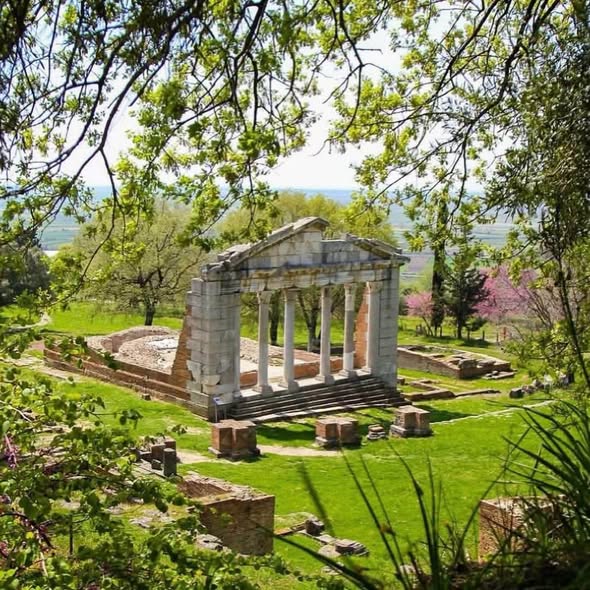
Protecting Albania’s cultural heritage requires continuous effort, cooperation, and public awareness.
Fulbright specialist Kat Slocum highlighted the importance of protecting cultural sites in a video produced as part of a project against the illegal trafficking of Albanian cultural heritage.
Slocum said that protecting cultural heritage is not only the responsibility of public institutions. Local communities and citizens also play an important role.
She highlighted the archaeological parks of Apollonia, Byllis, and Antigonea as sites of exceptional historical and cultural value. However, these sites require constant care and protection.
Public awareness and the reporting of violations can help preserve these treasures for future generations.
“Illegal excavations, theft, and the removal of objects from archaeological sites cause irreversible losses to cultural heritage,” Slocum said. “We must protect these sites so future generations can continue to enjoy them.”
The US Department of State and Albania’s Ministry of Tourism, Culture and Sports support the project. The organization Cultural Heritage without Borders – Albania (CHwB Albania) implements it.
/a.c/
Të ngjashme
Latest News



Most read










 RTI