
 English
 Français
 Deutsch
 Italiano
 Turkish
 Greek
 Serbian
Easter in Albania: A Celebration of Faith, Family, and Interfaith Harmony




Easter in Albania stands as one of the most deeply felt religious holidays, especially among the country’s Orthodox and Catholic Christian communities. It marks the resurrection of Jesus Christ and is celebrated with heartfelt devotion, traditional rituals, and joyful family gatherings. But beyond its religious significance, Easter also reflects a broader spirit of coexistence that defines Albanian society — a country known for its interfaith harmony and mutual respect between religious groups.
In the weeks leading to Easter Sunday, many believers enter a period of Lent, observing fasting, prayer, and quiet reflection. Churches across Albania from the Orthodox and Catholic cathedrals of Tirana Korça and Berat to sanctuaries in Shkodër and Lezha, host special liturgical services that culminate in the solemn and radiant midnight liturgy on Holy Saturday. These moments of devotion bring together not just regular churchgoers, but often neighbors and friends of different faiths, who join in the sense of community and tradition.
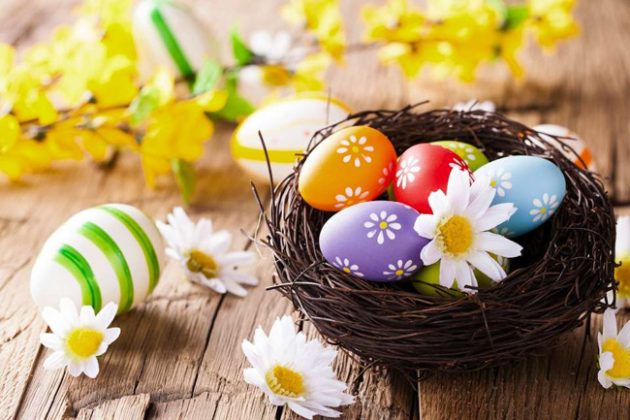
One of the most beloved Easter customs in Albania is the dyeing of red eggs, symbolizing the blood of Christ and the rebirth of life. On Easter Sunday, families engage in the playful egg-cracking game, a custom that transcends religious practice and is embraced as a cultural tradition across generations. Traditional meals featuring roasted lamb, byrek, Easter bread, and local wine turn the day into a feast of both flavor and familial warmth.
What makes the Easter atmosphere in Albania especially meaningful is the social context in which it unfolds. Despite belonging to different faiths, including Muslim, Orthodox, Catholic, and Bektashi communities, Albanians have long lived together in a spirit of mutual respect and solidarity. It’s not uncommon for Muslim neighbors to wish their Christian friends well on Easter, just as Christians return the gesture during Eid. This unique interreligious coexistence is a source of national pride and is often cited as one of Albania’s most cherished social values.
In urban centers like Tirana and Durrës, as well as in traditional towns such as Elbasan or Gjirokastër, Easter celebrations often include public processions, open-air masses, and local festivities. In the villages, the holiday is an opportunity for extended families to reunite, with many returning from abroad to honor longstanding traditions.
Whether marked through quiet prayer in a candlelit church or through the laughter of children cracking Easter eggs, the celebration of Easter in Albania remains a powerful expression of cultural identity, spiritual faith, and human connection. It is not only a Christian celebration but a national moment that affirms Albania’s enduring commitment to religious tolerance, unity, and the shared joy of tradition.
/a.p./
Të ngjashme

Latest News



Most read










 RTI