
 English
 Français
 Deutsch
 Italiano
 Turkish
 Greek
 Serbian
Gonxhja: The Heritage of Unique Moments of the Albanian People Preserved by Marubi




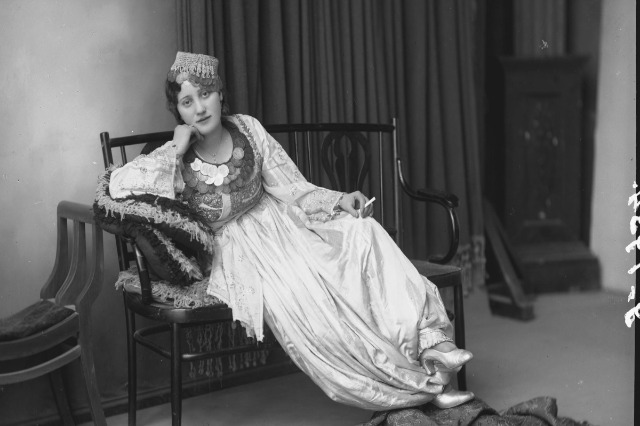
Through a collage of photographs taken by Pietro Marubi (August 14, 1832 – Shkodër, May 22, 1903), the Minister of Economy, Culture, and Innovation honored the great figure of Albanian photography on his birthday today.
“With his passion and dedication, Marubi laid the foundations of artistic photography in Albania, leaving us a substantial legacy of unique moments and emotions of the Albanian people over the years through his lenses,” wrote Minister Gonxhja.
Little is known about his years prior to his arrival in Albania. His journey, starting from Italy, included a stop in Corfu, Greece, a passage through Albania traveling from south to north, from Vlorë to Durrës, before eventually settling in Shkodër. He arrived with experience as an architect, painter, and sculptor. Notable works in Shkodër include the design of the Catholic Cathedral of St. Stephen, the Italian Consulate building, and the mural paintings in the Orthodox Church.
In Shkodër, he is credited with introducing the medium of photography in 1856, when he was just 22 years old. Marubi established the first photographic studio (Foto – Studio “Marubbi”, Casa Fondata nel 1856). Leading a promising activity, he enlisted the sons of Rrok Kodheli, Matinë and Kelin, as assistants. He ensured they received instruction in photography, sending them around 1875 to deepen their knowledge at the “Sebastianutti and Benque” photographic studio in Trieste, Italy.
Marubi produced postcards featuring Albanians in traditional coastal and mountainous costumes, as well as visiting cards in various formats.
In the early 1870s, he also worked as a reporter for foreign magazines such as “L’Illustrazione Italiana”, “La Guerra d’Oriente”, and “The Illustrated London News”, documenting life in Albania at that time through photographs. He was the first art teacher at the Saverian College of the Jesuits (1878). He also photographed neighboring regions, including the Montenegrin royal family, as well as local inhabitants and landscapes. His initial technique was wet collodion, later transitioning to dry gelatin. His artistic legacy in photography includes over 4,000 glass negatives of various sizes.
/a.c/
Të ngjashme

Latest News

American outlet TheStreet highlights Tirana among 2027 travel trends
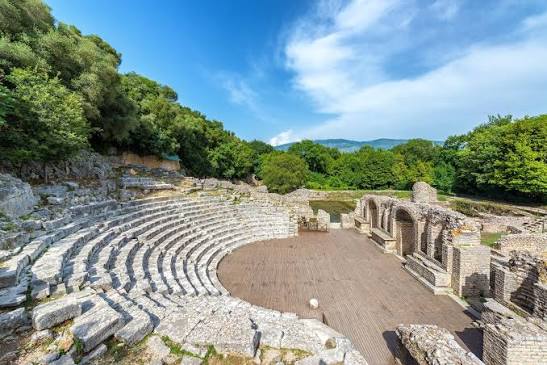
“Finestre sull’Arte”: New Discoveries Reveal Butrint’s Hidden Past
Most read










 RTI