
 English
 Français
 Deutsch
 Italiano
 Turkish
 Greek
 Serbian
National Museum Honors the Heroes of the 1946 Shkodër Executions




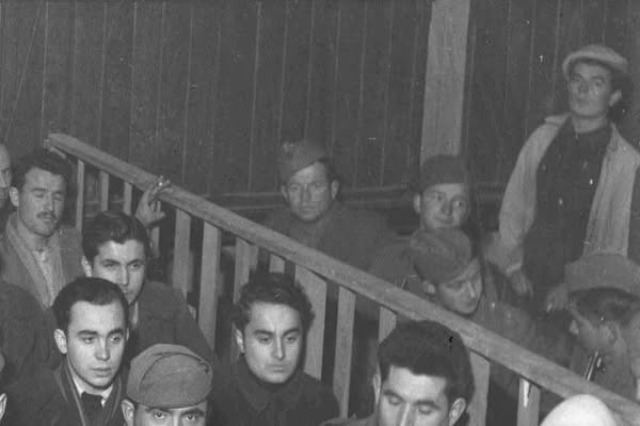
The National Museum “Shtëpia me Gjethe” today solemnly commemorated the martyrs of the Catholic clergy, executed near the Rrmaji Cemetery in Shkodër on March 4, 1946.
In December 1945, under the watchful eye of the communist regime, authorities uncovered the clandestine organization “Bashkimi Shqiptar” (Albanian Union) in Shkodër, led by the young seminarian Mark Çuni. This underground movement had surfaced through the distribution of anti-communist leaflets across the city. In the wake of this discovery, Father Giovanni Fausti and Father Daniel Dajani, esteemed superiors and professors of the seminary, were also arrested.
A total of 39 individuals were detained, marking the first concerted assault on the Catholic clergy in Albania.
During the trial, held at the “Rozafati” cinema, prosecutor Aranit Çela leveled grave accusations against the defendants, claiming they had worked to pave the way for Italian fascism. He alleged that, following the occupation of Albania, they had strived to legitimize the foreign invaders, fascistize the nation, and betray the Albanian people. They were accused of assisting traitorous organizations created by the enemy and the quisling government, while actively sabotaging the resistance efforts of the people and engaging in acts of terror.
The accused clergy denied all charges, though the prosecution presented no solid evidence. Of the 39 arrested, seven were sentenced to death. On the fateful morning of March 4, 1946, Father Daniel Dajani, Father Giovanni Fausti, Father Gjon Shllaku OFM, Deacon Mark Çuni, Qerim Sadiku, Gjelosh Lulash Bajraktari, and Fran Miraka (who was executed on July 3, 1946) were executed by firing squad near the Rrmaji Cemetery in Shkodër, their sacrifices immortalized in the annals of Albanian history.
/a.c/
Të ngjashme
Latest News

Most read










 RTI