
 English
 Français
 Deutsch
 Italiano
 Turkish
 Greek
 Serbian
World Radio Day: Celebrating a Powerful Medium




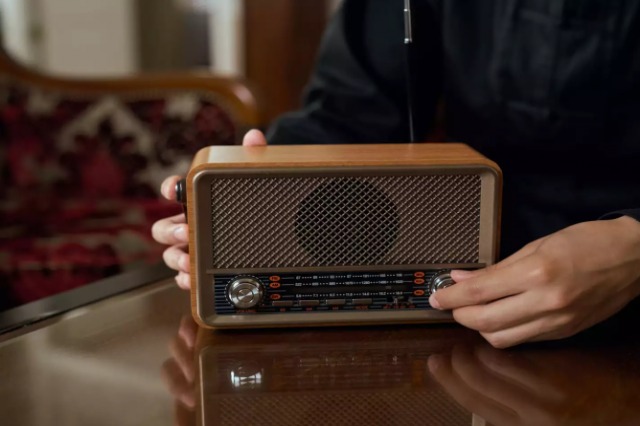
Since 2011, February 13 has been recognized as World Radio Day, proclaimed by UNESCO, the United Nations Educational, Scientific, and Cultural Organization.
Radio remains a powerful medium for celebrating humanity in all its diversity and serves as a platform for democratic discourse. Globally, it continues to be the most widely consumed form of media. Its unique ability to reach the broadest audience allows it to shape society’s experience of diversity, providing a space where all voices can be heard, represented, and acknowledged. Radio stations play a crucial role in serving diverse communities by offering a wide range of programs, perspectives, and content while ensuring inclusivity in their organizational structures and operations.
As a low-cost medium, radio is particularly effective in reaching remote communities and vulnerable individuals, offering them a platform to participate in public discourse, regardless of their educational background. It also plays a critical role in emergency communication and disaster relief efforts.
Positioned as a unifying force, radio fosters dialogue and promotes positive change. By actively listening to its audiences and addressing their needs, radio services ensure a diversity of opinions and voices that contribute to tackling shared global challenges.
The history of radio is marked by several key scientific figures. The first wireless radio was invented in 1893 in St. Louis by Nikola Tesla. However, the credit for the first functional radio is often attributed to Guglielmo Marconi, who was granted the first patent for a wireless radio device in England in 1896.
/a.p./
Të ngjashme



Latest News




Most read










 RTI